
Ghana’s external trade landscape is undergoing a notable transformation, with new data indicating a growing concentration of export earnings flowing toward a small number of key destinations, particularly the United Arab Emirates (UAE) and India.
According to recent figures from the Ghana Statistical Service, a significant portion of Ghana’s export revenue in 2025 was directed toward Asia and the Middle East. This reflects both shifting global demand patterns and the continued central role of gold in Ghana’s export structure.
The development signals a gradual but important realignment in Ghana’s trade relationships, moving away from its traditional reliance on Western markets and increasingly toward emerging economic hubs that are playing a stronger role in global commodity trade.
Changing direction of Ghana’s trade partnerships
Over the past decade, Ghana has pursued efforts to diversify its export markets beyond Europe and North America. However, recent data suggests that rather than a broad diversification, trade flows are becoming more concentrated in specific high-demand regions.
The UAE and India have emerged as leading destinations for Ghana’s exports, accounting for a substantial share of total export earnings. This trend is closely linked to global economic shifts, particularly the rising dominance of Asia in industrial consumption and the Middle East’s strategic role in global trade logistics.
Economic analysts note that this is not a temporary development but part of a broader structural shift in global trade. The UAE has established itself as a major international hub for gold trading, refining, and re-exportation, making it a natural destination for Ghana’s gold exports.
India, on the other hand, continues to expand its industrial capacity and consumer base, increasing demand for raw materials and energy inputs. This has strengthened bilateral trade flows and reinforced its position as a key partner for Ghana.
Gold remains central to export performance
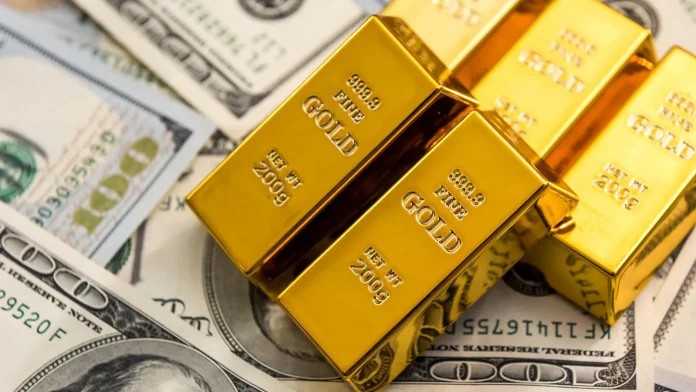
At the heart of Ghana’s evolving export pattern is gold, which continues to dominate the country’s external earnings.
As one of Africa’s leading gold producers, Ghana’s export performance is closely tied to global gold prices and demand. Recent trends suggest that gold is not only sustaining export revenues but also shaping the direction of Ghana’s trade relationships.
Much of Ghana’s gold exports are routed through international trading and refining hubs such as the UAE and Switzerland before entering final consumer markets. This reflects the structure of global commodity supply chains, where raw materials often pass through multiple intermediaries before reaching end users.
While this system supports strong export earnings, it also highlights Ghana’s dependence on external processing and trading centers that play a key role in determining pricing and market access.
Economic risks linked to concentrated trade partners
Despite the positive impact on export earnings, economists caution that Ghana’s increasing reliance on a limited number of trading partners may expose the economy to external risks.
When export revenues are concentrated in a few markets, any economic slowdown, policy shift, or demand fluctuation in those countries can significantly affect Ghana’s foreign exchange inflows.
This vulnerability is particularly important for commodity-dependent economies, where global price movements are often unpredictable and outside national control.
Experts also warn that over-reliance on mineral exports could slow down broader economic diversification efforts. Although Ghana continues to promote agriculture, manufacturing, and services exports, these sectors still contribute less to total export earnings compared to minerals.
Regional and global trade balance remains mixed
Despite the growing dominance of Asia and the Middle East, Ghana’s trade relationships remain globally diversified.
Within Africa, South Africa continues to play an important role as a key trading partner. China also remains significant, both as an export destination and as a major source of imports, reflecting its dual role in Ghana’s external trade structure.
European countries, particularly Switzerland, continue to feature prominently in Ghana’s gold trade network, reinforcing the interconnected and multi-layered nature of global commodity flows.
However, the overall trend points toward a gradual shift in Ghana’s trade orientation toward emerging markets rather than traditional Western economies.
Policy implications and economic direction
The evolving structure of Ghana’s export market presents both opportunities and challenges for policymakers.
On one hand, stronger engagement with fast-growing economies such as India and strategic trade hubs like the UAE provides access to expanding markets with rising demand. This can help support export growth and improve foreign exchange earnings in the short to medium term.
On the other hand, economic experts emphasize the importance of reducing dependency on a narrow range of commodities and markets.
Diversification remains a key policy priority. Expanding value-added processing in the mining sector, strengthening agro-based exports, and developing manufacturing capacity are widely seen as essential steps toward improving economic resilience.
There is also growing attention on regional integration efforts under the African Continental Free Trade Area (AfCFTA), which aims to boost intra-African trade and reduce dependence on external markets over time.
Outlook for Ghana’s export future
Looking ahead, Ghana’s export performance is expected to remain closely linked to global commodity cycles, particularly gold. However, the long-term direction of the economy will depend on how effectively the country can diversify its export base.
If current trends continue, Ghana may experience sustained export earnings driven largely by global price movements rather than significant increases in production or diversification.
READ ALSO:Ghana Unveils New Plan to Protect Vulnerable Groups Amid Crises
This creates both opportunities and risks: while revenues may remain strong in favorable market conditions, exposure to global volatility will also remain high.
Ultimately, the challenge for Ghana lies in balancing short-term gains from commodity exports with long-term structural transformation of the economy.
As global trade continues to evolve, Ghana’s increasing integration with Asia and the Middle East is likely to remain a defining feature of its external economic relations bringing both new opportunities for growth and an urgent need for broader economic resilience.
