Fuel Prices Surge as Petrol Hits GH¢15.19, Diesel GH¢17.85
New pricing window raises transport and cooking costs, with economists warning of ripple effects on inflation and cost of living.
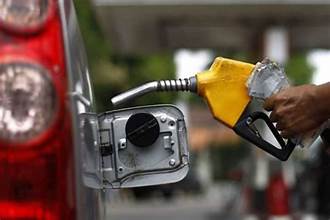
Ghana is bracing for renewed cost-of-living pressures as fuel prices spike sharply under the latest pricing window announced by the National Petroleum Authority.
Effective April 1, 2026, petrol will retail at GH¢15.19 per litre, while diesel has climbed to GH¢17.85, according to data released by the Chamber of Oil Marketing Companies. Liquefied Petroleum Gas (LPG), widely used by households, will also increase to GH¢16.59 per kilogramme.
The new prices mark a significant jump across petroleum products, driven by upward revisions in the official price floors set by the regulator. Petrol’s floor price rose from GH¢11.57 to GH¢13.30, while diesel recorded the steepest increase, jumping from GH¢14.35 to GH¢17.10 within weeks.
The adjustments, based on the Petroleum Products Pricing Guidelines, are binding on oil marketing companies, although final pump prices may vary slightly depending on additional margins and operational costs.
Industry players such as GOIL and Star Oil are expected to maintain competitive pricing, potentially offering marginally lower rates.
For consumers, the impact is immediate. Higher fuel prices are set to increase transport fares, raise food prices, and push up general living costs, especially in urban centres where reliance on fuel and LPG is high.
Economists warn that diesel hikes, in particular, could have far-reaching consequences, given its central role in transportation, agriculture, and industrial production.
The latest surge reflects broader global oil market volatility, driven by supply disruptions, geopolitical tensions, and currency pressures. Authorities say maintaining viable pricing levels is essential to ensure continued supply and avoid market distortions.
However, analysts caution that sustained increases could slow economic activity by raising production costs and reducing disposable income for households.
Beyond immediate price impacts, the development highlights Ghana’s continued vulnerability to external energy shocks, with heavy reliance on imported petroleum products exposing the economy to global price swings.
READ ALSO:Gov’t Targets GH¢15.2bn in Domestic Borrowing to Reshape Debt Strategy
While policymakers aim to balance market stability with affordability, the latest adjustments underscore the difficult trade-offs facing the energy sector.
Consumers are therefore being advised to prepare for possible increases in transport fares and the cost of goods and services, as the new fuel prices take effect across the economy.

