Government Moves to Tighten Oversight of Public Spending
Independent Value for Money Office set to boost transparency and accountability in Ghana’s public finance system

The government has announced plans to establish an independent Value for Money Office this year as part of broader reforms aimed at strengthening accountability and improving the management of public funds in Ghana.
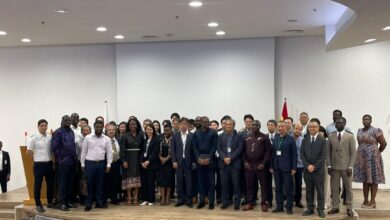
President John Dramani Mahama disclosed the initiative while addressing participants at the 77th Annual New Year’s School and Conference held at the University of Ghana, describing it as a key step toward ensuring that public spending delivers measurable benefits to citizens.
According to the President, the proposed office will provide independent oversight of government expenditure, helping to ensure that every cedi spent reflects efficiency, transparency, and real impact on national development.
He explained that the move forms part of a wider governance reform agenda aimed at rebuilding public trust in state institutions and addressing long-standing weaknesses in financial accountability.
President Mahama stressed that accountability in public service must go beyond political statements and be firmly embedded in systems and institutions.
He noted that effective governance is critical to sustainable development, as it shapes how power is exercised, how public resources are allocated, and how government decisions affect the daily lives of citizens.
The President also revealed that his administration is working to strengthen anti-corruption institutions, reinforce respect for the rule of law, and demand greater value for money across all areas of public expenditure.
As part of these reforms, he announced that the Code of Public Officers Bill, currently before Parliament, is expected to be passed this year. Once enacted, the law will make accountability requirements for public officers legally binding rather than voluntary.
President Mahama said the bill will clearly define standards of conduct in public service and ensure that breaches of accountability attract legal consequences.
He further emphasized that governance reforms must be supported by national discipline and civic responsibility, noting that development cannot be sustained by government action alone.
According to him, strong institutions, responsible leadership, and citizens who believe in and protect the system are essential to Ghana’s long-term development.
The President concluded by calling on public officials to lead by example, stressing that ethical leadership and transparency must be reflected in everyday conduct, not just policy documents.