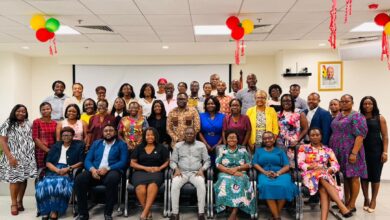
World Child Cancer Ghana Calls for Holistic, People-Centred Approach to Childhood Cancer Care
Awareness campaign stresses emotional, nutritional and psychosocial care alongside medical treatment for affected children.
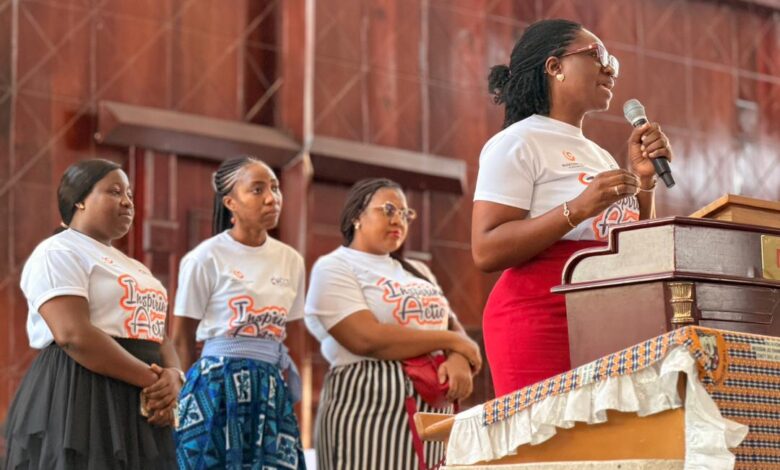
The Country Coordinator for World Child Cancer Ghana, Adwoa Pinamang Boateng Desu, has renewed calls for a holistic and people-centred approach to childhood cancer care, stressing that treatment success goes far beyond chemotherapy, radiotherapy, and surgery.
According to her, childhood cancer care must address not only the medical needs of affected children, but also the emotional, nutritional, psychosocial and long-term reintegration needs of survivors and their families.
She was speaking at the Mount Olivet Society of the Methodist Church Ghana, Dansoman, Accra, during a public sensitisation programme organised to commemorate International Childhood Cancer Day, aimed at educating the public on early warning signs, the importance of timely medical care, and the need for holistic, people-centred treatment for children living with cancer.
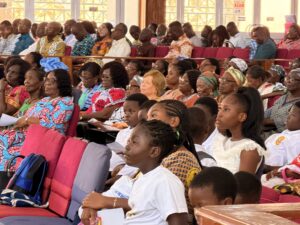
Ms Desu explained that the theme for this year’s commemoration, “The Importance of Holistic, People-Centred Care,”reflects the realities encountered in childhood cancer treatment, where outcomes are influenced by multiple factors rather than a single medical intervention.
“From the work that we do, we know that treatment outcomes do not depend on just one factor. It goes beyond chemotherapy and surgery to include emotional support, nutrition, psychosocial care and support for survivors to reintegrate back into society,” she said.
She noted that the theme aligns strongly with the mandate of World Child Cancer Ghana, which focuses on addressing inequalities in childhood cancer care.
Ms Desu outlined four key strategic pillars guiding the organisation’s operations: early and accurate diagnosis, treatment and care, child wellbeing and family support, and advocacy and communication.
She explained that under early and accurate diagnosis, the organisation trains healthcare professionals to detect childhood cancers early and strengthens diagnostic capacity to ensure timely referral and treatment.
In the area of treatment and care, she said World Child Cancer Ghana supports specialist training for doctors, nurses and pharmacists through collaborations with professional training institutions.
Touching on child wellbeing and family support, Ms Desu noted that the organisation provides financial, nutritional and emotional assistance to children diagnosed with cancer and their families.
According to her, this support plays a critical role in helping families remain committed to treatment and reducing treatment abandonment, which remains a major challenge in childhood cancer care.
Advocacy, Awareness and Government Engagement
On advocacy and communication, she said the organisation raises public awareness on childhood cancer and draws government attention to the need for increased investment in childhood cancer care. She stressed that sustained advocacy is essential to ensure childhood cancer remains a national health priority.
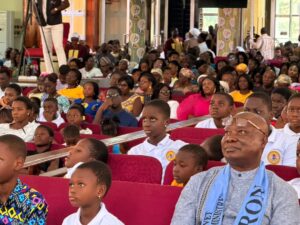
Ms Desu disclosed that World Child Cancer Ghana is intensifying outreach to faith-based organisations, including churches and mosques, as well as markets, community information centres and other public platforms.
“In Ghana, many people place a lot of trust in religion and familiar faces such as religious leaders. The church and mosque are places where we can reach many people at once,” she explained.
Speaking on progress made over the years, Ms Desu revealed that childhood cancer survival rates in Ghana have improved significantly.
She said survival rates have increased from between 10 and 20 per cent before 2010 to about 40 to 50 per cent currently, attributing the improvement to sustained support from partners and improved healthcare capacity.
She added that Ghana now has three major childhood cancer treatment centres and six shared-care centres nationwide, compared to just one treatment centre in the past.
Ms Desu used the occasion to educate parents and caregivers on common early warning signs of childhood cancer. These include persistent lumps around the neck or abdomen, prolonged fever lasting more than two weeks, unexplained weight loss, frequent bruising or bleeding, persistent headaches with vomiting, and unusual eye changes such as a white or reflective spot in the pupil.
She explained that eye cancers such as retinoblastoma can often be detected early when such changes are observed.
Ms Desu urged parents and caregivers to seek medical attention immediately when these signs are noticed, stressing that the hospital should always be the first point of call.
She cautioned against delays caused by self-medication, unapproved traditional treatments or prolonged stays at prayer camps, noting that such delays often reduce the chances of successful treatment.
She emphasised that childhood cancer is treatable and often curable, particularly when detected early, and encouraged parents to follow referral pathways provided by the Ministry of Health and remain committed to treatment until completion.
Ms Desu appealed to the public, corporate bodies and philanthropic organisations to support children diagnosed with cancer and their families through financial contributions, medical equipment, consumables, toiletries and other essential items.
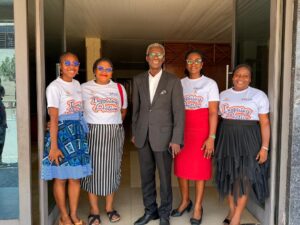
The Superintendent Minister of the Dansoman Circuit of the Methodist Church Ghana, Very Reverend Kwesi Akyen Sekyi-Appiah, commended World Child Cancer Ghana for the initiative, describing it as timely and impactful.
He noted that using the church as a platform to raise awareness on childhood cancer would help educate families, reduce stigma and promote early medical intervention. He also assured the Church’s continued support for efforts aimed at improving the wellbeing of children and families.
Activities marking World Childhood Cancer Day in Ghana are expected to climax on 27 February, with continued nationwide awareness creation aimed at improving early detection and survival outcomes.
Source: Isaac Kofi Dzokpo