Achimota Speaks: Stakeholders Demand Urgent Overhaul of Ghana’s Education System
Education experts warn that declining investment, overcrowded classrooms, and an unsustainable Free SHS model threaten learning outcomes, urging stronger partnerships and increased funding.

Education experts and stakeholders have called for immediate reforms to tackle inefficiencies, funding gaps, and rising costs crippling Ghana’s education sector.
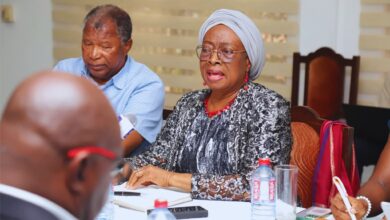
The appeal came at the Achimota Speaks Forum held at the British Council Hall in Accra under the theme: “Empowering Ghana’s Future through Education: Partnerships, Governance and Outcomes.”
Funding Gaps Threaten Ghana’s Education Future
Delivering the keynote, Mr Kofi Asare, Executive Director of Africa Education Watch (EduWatch), warned that Ghana’s declining investment in education could undermine long-term national outcomes.
He revealed that public spending on education has dropped from 8% of GDP in 2011 to just 3.1% today, far below UNESCO’s recommended benchmarks. “Without urgent reform, Ghana risks a national skills and innovation crisis,” Mr Asare cautioned.

He sharply criticised the Free Senior High School (SHS) policy, particularly its reliance on widespread boarding. “No country makes boarding the norm at the secondary level like Ghana, and certainly not free of charge,” he said.
Mr. Asare pointed out a clear funding gap: about six million pupils are in basic education, while only 1.5 million are at the secondary level, yet the Free SHS program takes up GH¢4.2 billion—almost 45% of the Ghana Education Trust Fund.
He warned that this focus on secondary education crowds out critical investment in basic and tertiary education, particularly in infrastructure and quality improvement.
He recommended raising education spending to at least 6% of GDP with a stronger focus on foundational and tertiary levels, while scaling up Technical and Vocational Education and Training (TVET).
“Only 10% of Ghanaian secondary students are enrolled in TVET programmes, compared with 40% in Organisation for Economic Co-operation and Development (OECD) countries. With just 35% of students advancing to tertiary education, it is critical that the majority leave school equipped with practical, employable skills,” he emphasized.

Overcrowding and Resource Gaps Hamper Learning
Dr Beatrice Tsotso Adom, former headmistress of Achimota School and education consultant, highlighted challenges of overcrowded classrooms and inadequate resources.
“Expanding access has increased enrolment, but it has also made classroom management extremely difficult,” she said.
Dr Adom called for the adoption of modern teaching methods and 21st-century learning tools, noting that teachers are often unable to leverage these innovations due to centralised resource systems.
She urged collaboration among government, parents, NGOs, and private institutions, suggesting modest contributions to complement free education policies, specifically for teaching and learning materials.

Stronger Governance and Accountability Needed
Mr Philip Dela Zumanu, PTA Chairman of Achimota School, stressed the need for clear collaboration among stakeholders and minimising political interference at school levels.
He welcomed the growing autonomy granted to school heads, calling for a balance between decision-making power and accountability. “School leaders must be empowered, but they must also answer for their decisions,” he said.
Meanwhile, Mr Frank D. Amponsah-Mensah, Principal of Ghana International School, warned that teachers are often under-resourced, underpaid, and undervalued, despite society expecting high performance.
READ ALSO:MTN Ghana Launches Global SIM Swap Service for Customers
Forum Aims for Actionable Solutions
The Achimota Speaks platform provides a space for thought leaders to examine pressing national issues and propose practical reforms.
The consensus at the forum was clear: Ghana must reform its education financing, governance, and policy priorities now or risk compromising the country’s future workforce and innovation capacity.

Source: Isaac Kofi Dzokpo