
The Bank of Ghana (BoG) has defended its decision to sell a portion of the country’s gold reserves, insisting the move was a strategic step to rebalance its reserve portfolio rather than a loss of national wealth.
Governor Dr. Johnson Asiama explained that the conversion of gold into foreign exchange assets forms part of prudent reserve management aimed at maintaining stability, liquidity, and resilience in the face of external economic shocks.
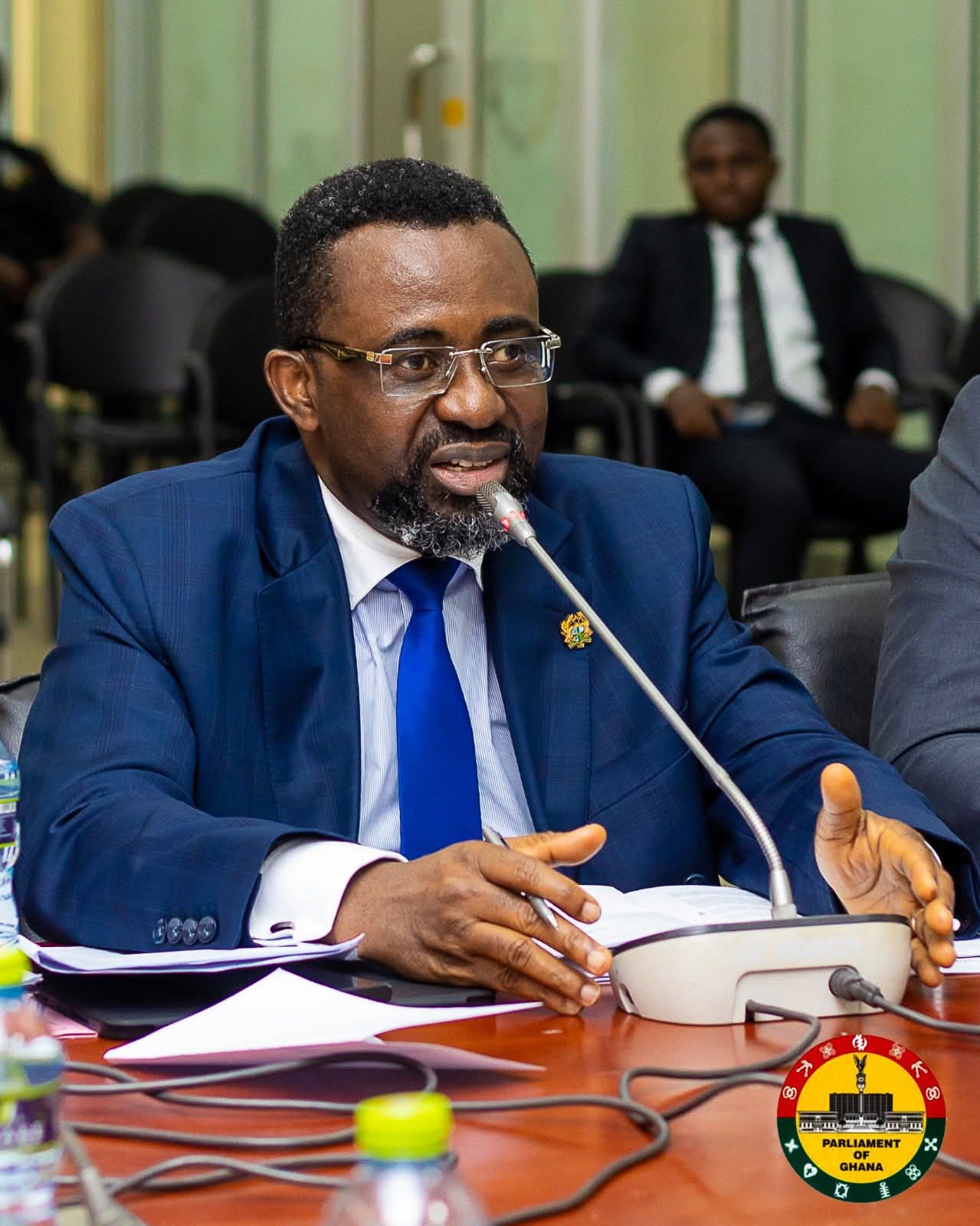
He made the clarification while leading a technical team from the central bank to brief Parliament’s Committee on Economy and Development on the Bank’s 2025 Monetary Policy Report.
According to Dr. Asiama, the decision followed a significant increase in Ghana’s gold reserves driven by the Domestic Gold Purchase Programme (DGPP), launched in 2021.
He disclosed that Ghana’s gold holdings rose sharply from about 8.7 tonnes before the programme to 30.53 tonnes by the end of 2024, and further increased to approximately 40.85 tonnes in 2025 after additional purchases.
This rapid accumulation, combined with rising global gold prices, pushed gold’s share of Ghana’s Gross International Reserves to about 42 percent by October 2025.
Dr. Asiama warned that such concentration in a single asset class posed risks to the country’s financial stability, particularly for an economy that depends on reserves to support the cedi and finance essential imports.
“International best practice requires diversification,” he noted, explaining that many economies at Ghana’s level typically maintain a smaller proportion of reserves in gold.
To address this imbalance, the Bank undertook a measured portfolio adjustment, selling approximately 22.24 tonnes of gold on the international market and reducing holdings to about 18.61 tonnes by the end of 2025.
The Governor firmly rejected suggestions that the transaction amounted to a loss of national assets.
“This was not a loss. The gold was converted into foreign exchange, which remains part of Ghana’s reserves,” he stressed.
He further clarified that central banks do not manage reserves based on short-term price speculation but rather focus on long-term objectives such as safety, liquidity, and diversification.
The foreign exchange proceeds from the sale, he added, are being reinvested within the reserve portfolio to generate returns while strengthening Ghana’s external buffers.
Dr. Asiama noted that the central bank has introduced additional measures to further diversify and fortify the country’s reserves against future shocks.
READ ALSO: NCA Moves to Clean Up SIM Database as Fianko Cites Irregularities
The briefing also covered broader economic developments, including inflation trends, interest rates, and risks to the external sector such as geopolitical tensions.
Chairman of Parliament’s Committee on Economy and Development and Member of Parliament for Amenfi West, Dr. Eric Afful, commended the Bank of Ghana for the engagement, describing it as transparent and informative.
He urged the central bank to sustain regular interactions with Parliament to help curb misinformation and deepen public understanding of key economic policy decisions.
