Ghana’s Central Bank Cuts Rate to Support Growth Momentum

The Bank of Ghana has intensified efforts to stimulate economic activity, cutting its benchmark policy rate by 150 basis points to 14 percent in a move aimed at boosting lending and supporting growth.
The decision, announced after the 129th meeting of the Monetary Policy Committee (MPC), marks the second rate reduction in 2026 and signals a clear policy shift from tight monetary control toward easing conditions.
Governor Johnson Asiama said the move reflects growing confidence in Ghana’s macroeconomic recovery, even as global uncertainties persist.
According to him, the rate cut is designed to lower borrowing costs and improve access to credit for businesses and households, ultimately driving investment and economic expansion.
The decision comes on the back of a sharp decline in inflation, which fell to 3.3 percent in February 2026 from 5.4 percent in December 2025. The sustained disinflation trend has been supported by earlier tight monetary policies, a stronger cedi, and improved food supply.
With inflation now within target, the central bank believes there is room to ease policy without undermining price stability.
Domestic economic indicators also point to resilience. Ghana recorded six percent GDP growth in 2025, with non-oil sectors driving much of the expansion. Early data for 2026 shows continued momentum, supported by increased trade activity, industrial output, and consumption.
Falling interest rates are already reflecting the shift in policy. Treasury bill yields have declined significantly, while average bank lending rates dropped to 19.2 percent in February 2026 from over 30 percent a year earlier.
The banking sector has also shown signs of stability, with improved asset quality and declining non-performing loans, although risks remain.
On the external front, Ghana’s position has strengthened, with a widening trade surplus and rising international reserves, providing a buffer against shocks.
READ ALSO: Ghana Posts 6% GDP Growth in 2025 on Non-Oil Sector Surge
However, the central bank cautioned that global risks—particularly geopolitical tensions in the Middle East and rising crude oil prices—could pose threats to the inflation outlook.
Despite these concerns, the MPC maintained that current conditions justify further easing, given strong macroeconomic fundamentals and high real interest rates.
The latest rate cut underscores a strategic pivot by the central bank—from stabilising the economy to actively supporting growth—while maintaining vigilance against external shocks.
 World Bank Group, Government, ACET and ISSER Lead Talks on Unlocking Ghana’s Trade Potential
 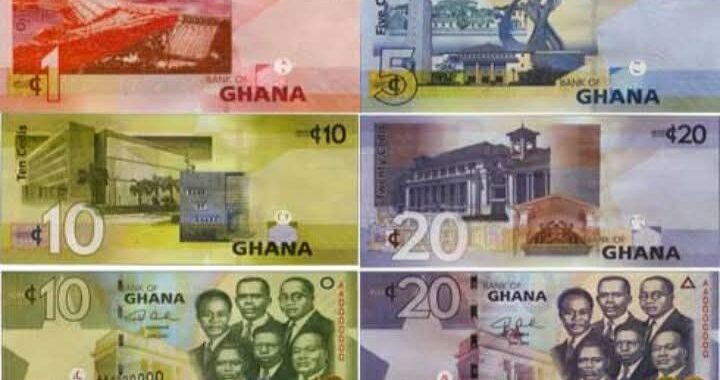 Cedi Printing Costs Halve Despite Rising Cash Demand in Ghana
  Ghana Stocks Surge Nearly 60% as Treasury Bill Demand Weakens
  Ghana’s Export Trade Shifts Toward Asia and Middle East as Gold Dominance Deepens
  MobileMoney Fintech Limited Hosts Maiden Partner Exchange, Industry Intensifies Unified Push Against Digital Fraud
 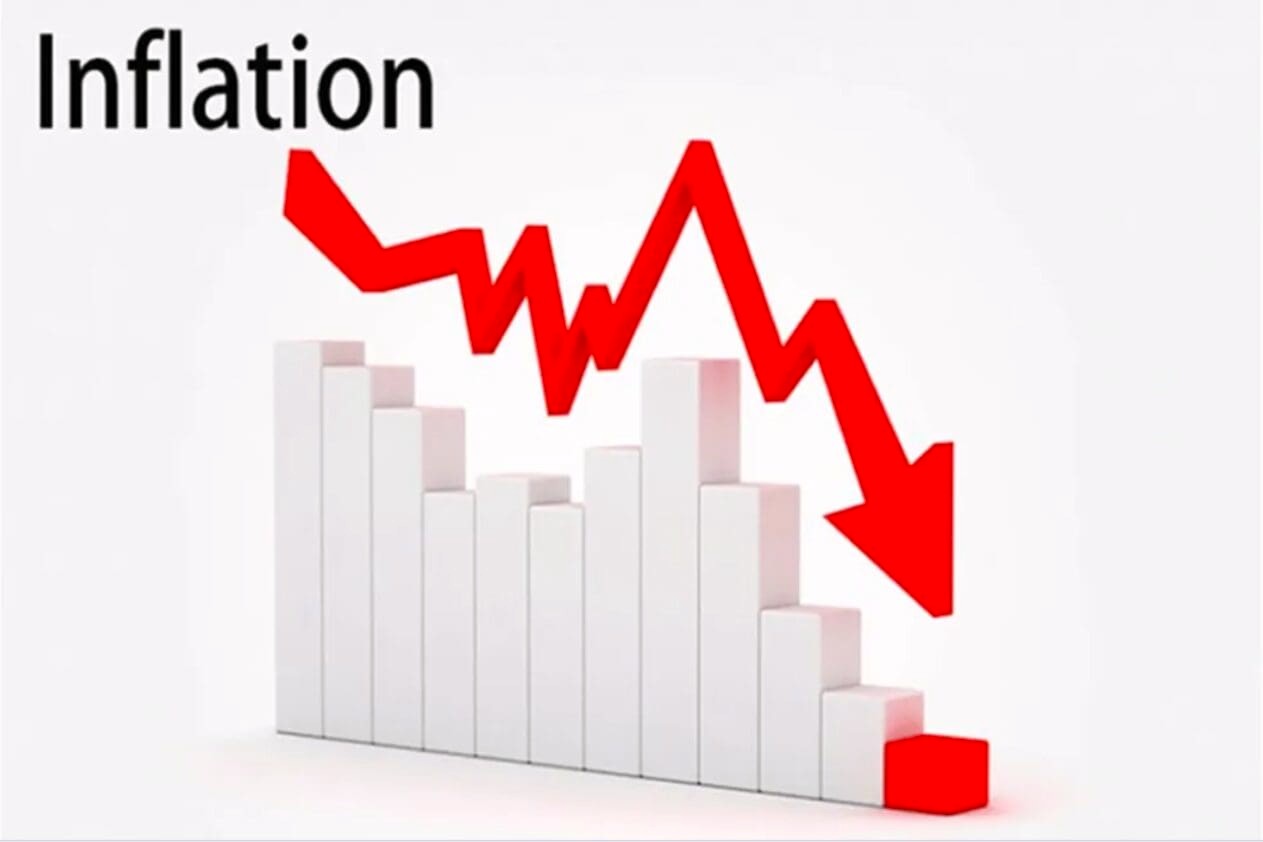 Ghana’s Inflation Falls to 3.2% in March, Lowest Level in Decades
  Economic Growth Without Jobs Widens Inequality, Labour Says
  Stronger Regional Journalism Key to Africa’s Democratic Resilience — Experts