
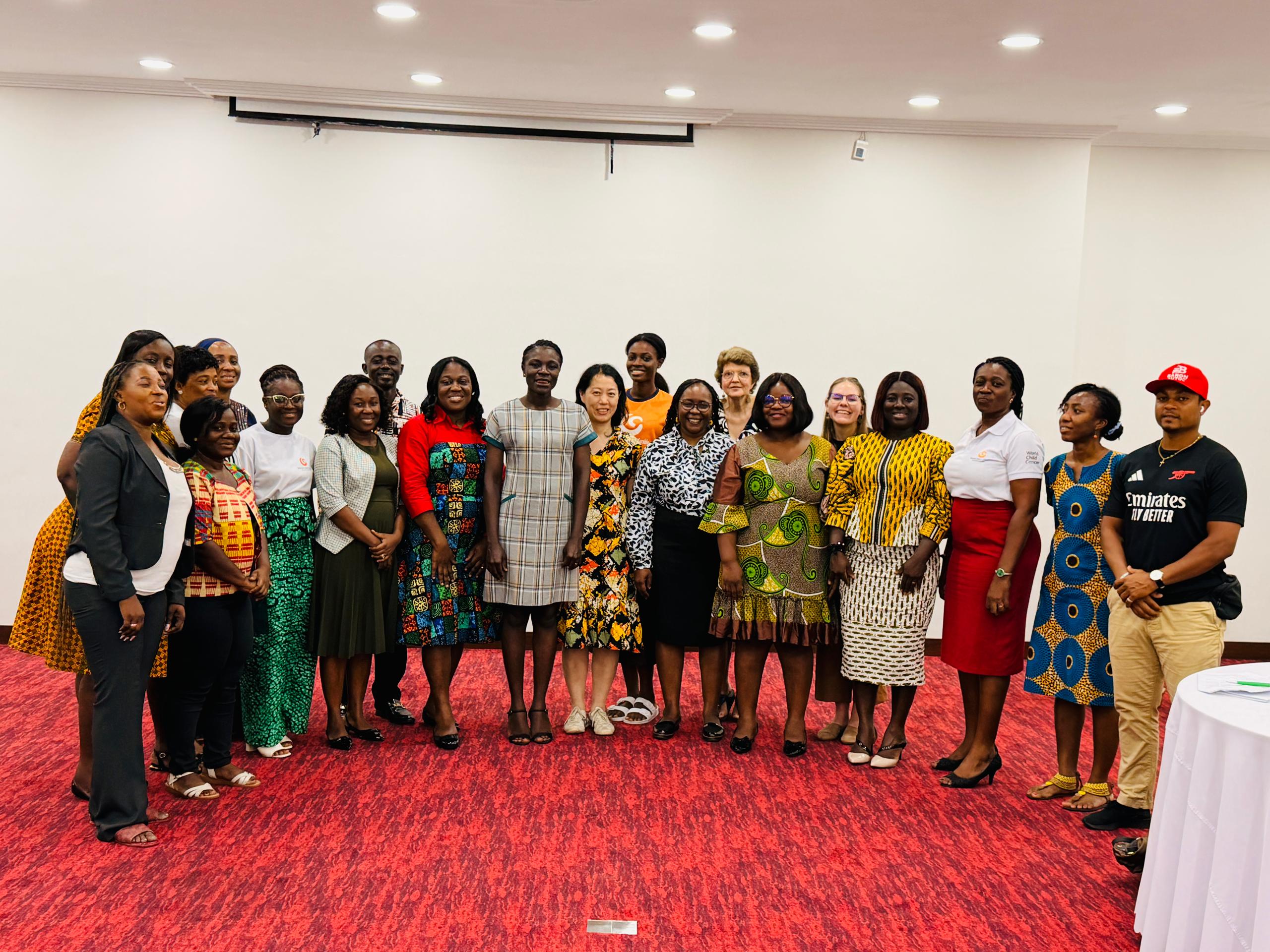
As part of sustained efforts to strengthen the delivery of children’s palliative care in Ghana, the International Children’s Palliative Care Network (ICPCN) and World Child Cancer have held a one-day stakeholder engagement meeting on the pilot implementation of the Children’s Palliative Outcome Scale (C-POS).
The tool is designed to improve the quality of care for children living with life-limiting and life-threatening conditions, while supporting healthcare workers in better assessing needs and enhancing service delivery.
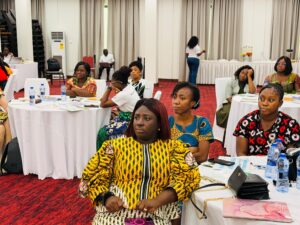
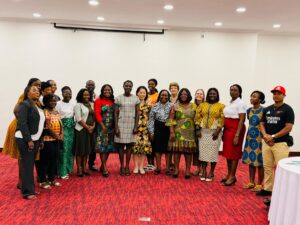
The meeting, held under the ChilPalCareGhana project, formed part of ongoing efforts to integrate children’s palliative care into routine health service delivery. It brought together international partners, healthcare professionals, and local stakeholders to review progress under the pilot phase, discuss implementation challenges, and explore strategies for scaling up the initiative across health facilities in the country.

Global Care Gap Sparks Urgent Call for Action – ICPCN
Speaking at the engagement, ICPCN Chief Executive, Professor Julia Downing, said children’s palliative care remains a major global health gap, with more than 21 million children estimated to be in need of such services worldwide, while only about 5 to 10 percent currently have access.
She noted that the disparity is even more pronounced in Sub-Saharan Africa, including Ghana, where access remains limited despite the increasing burden of life-limiting and life-threatening conditions among children.
Professor Downing stressed that addressing the gap requires urgent and coordinated action across policy development, workforce training, and health system strengthening.
She called for stronger national policy frameworks to prioritise children’s palliative care, expanded training opportunities for healthcare workers, and improved access to essential medicines required for pain management and symptom control.
According to her, these elements are critical to ensuring that children receive timely, equitable, and appropriate care regardless of their location.
Professor Downing further explained that the Children’s Palliative Outcome Scale (C-POS) forms part of broader global efforts to strengthen outcome measurement in paediatric palliative care.
She said the tool enables healthcare providers to better assess symptoms, monitor progress, and improve the overall quality of life of children receiving care.
She added that beyond clinical improvement, the tool also supports health systems in demonstrating the impact of palliative care services through evidence-based data, which is essential for planning, resource allocation, and advocacy.
Professor Downing also pointed to ongoing global advocacy efforts, including the upcoming “Close the Gap: Palliative Care for Children Everywhere” campaign, which seeks to mobilise international action towards improving equitable access to children’s palliative care services.

Shift Toward Person-Centred Paediatric Care – APCA
Dr. Eve Namisango, Executive Director of the African Palliative Care Association (APCA), said the APCA Children’s Palliative Care Outcome Scale (C-POS) represents a significant shift towards embedding person-centred care within paediatric health services.
She explained that the tool provides a structured mechanism for children and young people living with life-limiting conditions to directly communicate their symptoms, concerns, emotional wellbeing, and care needs.
According to her, this ensures that clinical decision-making is informed not only by healthcare providers, but also by the lived experiences and voices of patients themselves.
Dr. Namisango noted that this approach is essential for improving the quality and responsiveness of care, as it enables healthcare teams to better understand the full burden of illness beyond clinical indicators.
She added that systematic collection of patient-reported outcomes strengthens accountability in service delivery and ensures that care is tailored to individual needs.
She further emphasised that integrating such outcome measures into routine clinical practice supports continuous quality improvement and reinforces the principle that children, regardless of age or condition, have the right to be heard in decisions affecting their health and care.
From Evidence to Action: Building National Capacity – World Child Cancer (Sub-Saharan Africa)
World Child Cancer Regional Coordinator for Sub-Saharan Africa, Ayire Adongo, said the C-POS initiative is the result of several years of sustained collaboration between World Child Cancer and ICPCN, which began with a comprehensive national situation analysis and needs assessment on children’s palliative care in Ghana.
He explained that the assessment provided critical evidence on the state of paediatric palliative care in the country, revealing significant gaps in workforce capacity and service delivery systems.
According to him, these findings informed the development of targeted interventions aimed at strengthening skills among health professionals and improving the overall structure of palliative care services.
Mr. Adongo noted that one of the major outcomes of the collaboration has been the institutionalisation of paediatric palliative care training within key health training institutions.
He said specialised programmes are now being implemented at the Ghana College of Nurses and Midwives, the Ghana College of Pharmacists, and the Ghana College of Physicians and Surgeons, with the aim of building a sustainable pipeline of trained professionals.
He further explained that this integration is ensuring that palliative care is no longer treated as a peripheral aspect of healthcare, but is increasingly embedded within formal medical and nursing education systems.
Mr. Adongo added that the current pilot phase of the C-POS tool is being implemented in four selected hospitals, including Korle Bu Teaching Hospital, Komfo Anokye Teaching Hospital, and the Greater Accra Regional Hospital, alongside another participating facility.
He said the pilot is intended to generate practical evidence on how the tool functions in real clinical settings, with the goal of refining implementation strategies ahead of wider national scale-up across additional partner facilities.
Strengthening Clinical Practice Through Training
The Country Coordinator for World Child Cancer, Adwoa Pinamang Boateng Desu, said the C-POS training is designed to strengthen holistic assessment and continuous monitoring of children receiving palliative care services across selected health facilities in Ghana.
She explained that the tool is helping to shift clinical practice towards a more structured, patient-centred approach to decision-making, enabling healthcare professionals to better identify, document, and respond to the complex physical, emotional, and psychosocial needs of children living with life-limiting conditions.
According to her, the introduction of the tool is also reshaping perceptions of palliative care among health workers.
She noted that many practitioners previously associated palliative care mainly with end-of-life care, but the C-POS initiative is reinforcing the understanding that palliative care should be integrated throughout the course of illness.
She further indicated that the pilot has led to improvements in service delivery at participating facilities, with healthcare teams becoming more intentional about patient experience and quality of care.
Ms. Boateng Desu added that some facilities involved in the pilot have introduced supportive interventions, including dedicated counselling spaces and child-friendly service areas, aimed at creating a more comfortable and supportive environment for children and their families.
Ghana’s Growing Leadership in Palliative Care – GPCA
The Executive Secretary of the Ghana Palliative Care Association, Winnie Van Nanaya Oak, said Ghana has made steady progress in strengthening its palliative care system through collaboration among practitioners, professional bodies, and government institutions.
She noted that increased policy attention and alignment with Universal Health Coverage goals have helped raise the profile of palliative care within the national health agenda.
She further disclosed that Ghana will host the African Palliative Care Conference in 2028, describing it as a major milestone that reflects the country’s growing leadership role in the sector across the continent.
However, she expressed concern that access to palliative care remains low, with coverage estimated at about 5 percent for children and even lower for comprehensive multidisciplinary services.
She called for stronger public awareness and deeper integration of palliative care into mainstream health systems, stressing that it is a fundamental component of the right to health.
The ChilPalCareGhana project continues to support efforts aimed at strengthening education, improving service delivery systems, and enhancing quality improvement mechanisms to ensure the sustainable integration of children’s palliative care within Ghana’s healthcare system.
Source : Isaac Kofi Dzokpo
