
MTN Ghana has identified the gaming sector as Africa’s next major economic and cultural breakout, announcing strategic investments, a dedicated 5G gaming network, and new institutional partnerships to position Ghana as the continent’s premier game development hub.
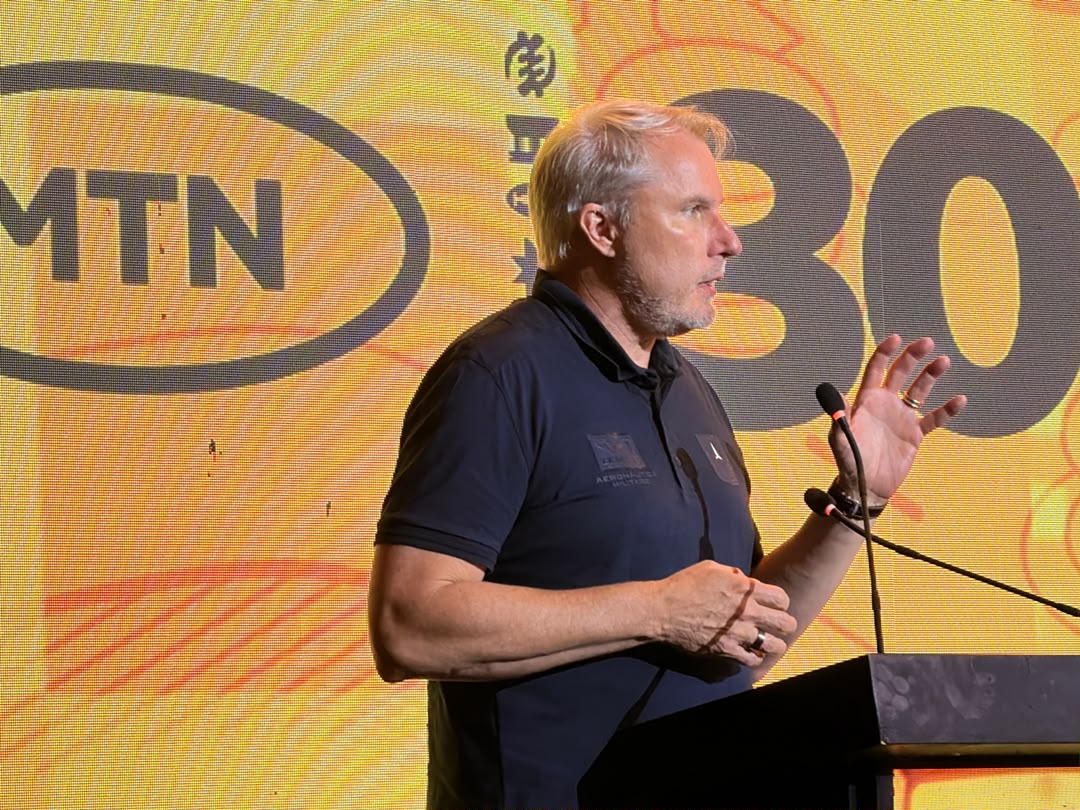
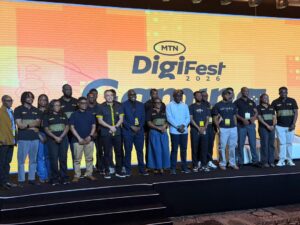
Speaking at the MTN DigiFest Gaming Conference at the Labadi Beach Hotel in Accra, MTN Ghana CEO Stephen Blewett said Africa’s creative talent gives the continent a strong foundation for building a globally competitive digital entertainment industry.
“The future of the next big breakout in Africa will be gaming, and it already is gaming. I’ve said that to investors, I’ve said it publicly, I’ve said it in the USA, in London, I was in New York last week. I keep saying the same thing,” Blewett told attendees.
“Our people in Africa are creative, they have the strength and the abilities to develop our own games—games for Africa, built in Africa, and Ghana being the hub that actually creates that is very important to us.”
Powering Innovation Through 5G
Mr. Blewett identified advanced telecommunications infrastructure, particularly the rollout of 5G, as a key component in developing the gaming ecosystem.
MTN Ghana has secured one of Ghana’s 5G licences, and Blewett said the company intends to use the technology to provide connectivity specifically suited to the demands of modern gaming and interactive digital services.
“One of the 5G licenses has been given to MTN. And I can tell you, we’ll make sure you have a gaming network on 5G. That’s one of the big reasons we wanted it,” he said.
The move reflects the growing importance of high-speed, low-latency connectivity to online gaming, cloud-based entertainment, and other interactive digital experiences.
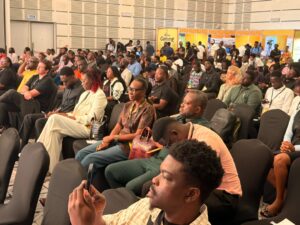
He also pointed to the changing nature of the gaming market, noting that gaming is no longer confined primarily to expensive home consoles and dedicated gaming hardware. With increasingly capable smartphones and expanding mobile broadband access, games and other forms of digital entertainment can now reach consumers directly through devices they already use every day.
MTN’s Scale Creates Market Access
Beyond connectivity, MTN Ghana intends to use its distribution and customer base to help local developers commercialize their creations.
The company has approximately 31 million subscribers in Ghana, while the wider MTN Group serves more than 300 million customers across 16 African markets.
Blewett said MTN Ghana currently leads the wider group in gaming adoption, creating an opportunity for developers to test, distribute, and scale locally developed products.
The company’s extensive customer and distribution network could therefore provide local creators with access to a significant potential market while also creating pathways into other African markets.
For Ghanaian developers and creative entrepreneurs, such access could help address one of the longstanding challenges facing emerging digital industries: moving from developing a product to finding customers and generating sustainable commercial returns.
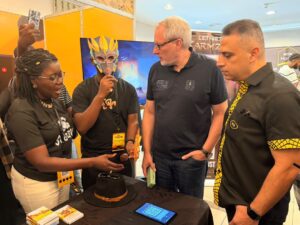
Bridging the Gap Between Industry and Academia
The gaming conference formed part of MTN Ghana’s 30th-anniversary celebrations, held under the theme “30 Years of Progress Powered by You.”
The anniversary also provided a platform for the company to outline its broader ambitions for Ghana’s digital economy.
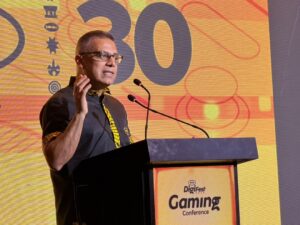
MTN Ghana Chief Digital Officer Ibrahim Misto said the company wants to move beyond its traditional role as a telecommunications provider and play a more active role in developing the country’s technology and innovation ecosystem.
He said the conference was designed to encourage stronger collaboration among academia, the private sector, and policymakers, particularly in addressing the gap between university training and the practical skills demanded by industry.
As part of that effort, MTN announced two significant initiatives focused on education, talent development, and innovation.
The Gaming Academy
The first initiative is the Gaming Academy, a dedicated training programme intended to equip young developers and creative professionals with practical game-development skills.
The programme is expected to combine technical and creative training with access to MTN’s market and distribution infrastructure.
The objective is to give emerging developers not only the skills to create games but also a pathway to take their products to market.
By connecting training with commercial opportunities, MTN hopes the initiative will contribute to entrepreneurship, employment, and the development of a sustainable local gaming industry.
Partnership with Ashesi University
MTN is also partnering with Ashesi University to establish a new Gaming Lab and support targeted curriculum development.
The laboratory is expected to provide a practical environment where students and researchers can explore gaming technologies and apply gamification to challenges beyond entertainment.
Among the areas identified are agriculture and education, where interactive digital technologies could potentially be used to improve engagement, learning, and problem-solving. The partnership reflects a broader view of gaming as a technology platform rather than simply a form of entertainment.

Turning University Projects Into Businesses
Mr. Misto also highlighted MTN’s efforts to support university students in developing solutions to real-world problems.
The company has been funding final-year university projects, including recent artificial-intelligence-focused collaborations with the University of Ghana.
Under such initiatives, students are encouraged to develop technology-based solutions to challenges specific to Ghana and the wider African environment.
The approach is intended to create a stronger connection between academic research and commercial innovation, allowing promising student projects to evolve into viable businesses and products.
Ghana’s Emerging Digital Economy
MTN’s gaming strategy comes as Ghana seeks to strengthen its position within Africa’s growing digital and creative economy.
The gaming industry sits at the intersection of technology, entertainment, telecommunications, and creative production, creating opportunities for developers, artists, musicians, designers, writers, and entrepreneurs.
For Ghana, developing the sector could also provide opportunities to export locally created intellectual property to audiences across Africa and internationally.
MTN’s strategy combines three key components: connectivity through 5G, talent development through education and training, and market access through its extensive customer and distribution network.
The company believes the combination can provide the foundation for a commercially viable gaming ecosystem in Ghana. Africa possesses the creative talent needed to develop games that reflect its own experiences, cultures, and markets.
With increased investment in infrastructure, skills, and partnerships between industry and academia, Ghana is seeking to turn that creative potential into a growing technology and entertainment industry—one capable of serving African audiences while competing in the global digital market.
Adding that, the ambition extends beyond providing the network on which games are played. The company is positioning itself as a participant in the development, training, distribution, and commercialization of the ecosystem itself.
Source: Isaac Kofi Dzokpo/capitalnewsonline.com
