
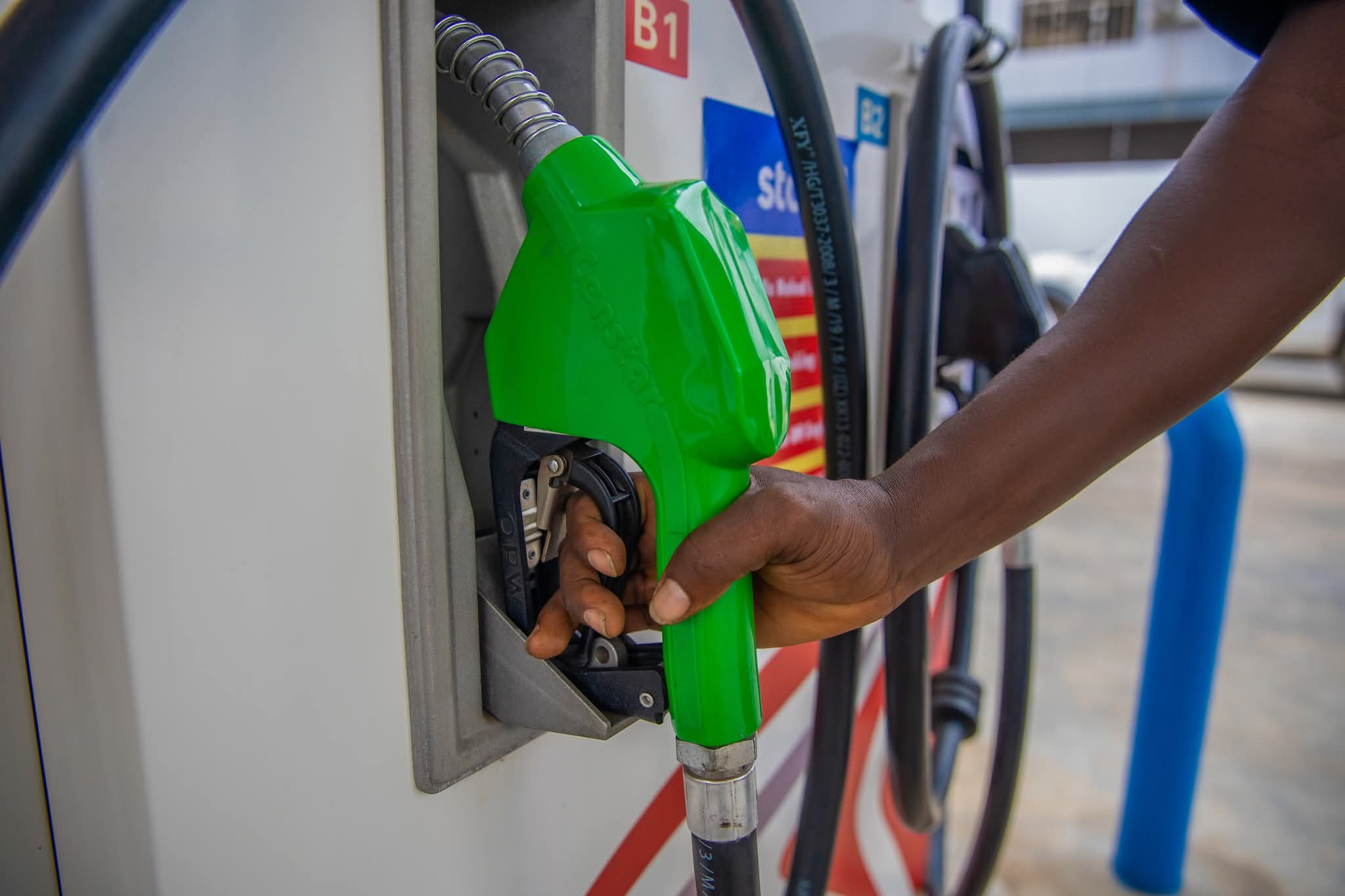
Petroleum prices could come under fresh pressure at the pumps from September 1, 2026, following an increase in the price floors for petrol and diesel by the National Petroleum Authority (NPA) for the September 1–16 pricing window.
NPA Announces New Price Floors
The NPA has raised the minimum price for petrol from GH¢13.92 to GH¢14.53 per litre, representing an increase of about 4.38 per cent over the previous benchmark.
The price floor for diesel has also increased from GH¢15.19 to GH¢15.60 per litre, representing an increase of about 2.69 per cent.
Liquefied Petroleum Gas (LPG), however, recorded marginal relief, with its price floor declining from GH¢10.98 to GH¢10.85 per kilogramme.
The directive means Oil Marketing Companies (OMCs) and LPG Marketing Companies will not be permitted to sell below the approved minimum prices during the pricing window.
NPA Clarifies Price Floor
In its notice to industry players, the NPA reminded OMCs of the need to comply with the approved price floors.
The Authority clarified that the floors do not include premiums charged by International Oil Trading Companies, operating margins of Bulk Import, Distribution and Export Companies, or the marketer and dealer margins of OMCs and LPG Marketing Companies.
Those components will continue to be determined independently by the respective companies in accordance with the Petroleum Products Pricing Guidelines.
The new price floors, therefore, do not necessarily represent the final prices consumers will pay at filling stations.
Will Pump Prices Increase?
Despite the upward adjustment, the increase in the price floors does not automatically mean pump prices will rise across all filling stations from September 1.
Some OMCs have indicated that prices could remain unchanged at the beginning of the new pricing window, depending on commercial decisions and prevailing market conditions.
Marketers are expected to assess competition and supply costs before announcing their prices.
However, the possibility of increases remains, as several OMCs are already selling petrol and diesel above the existing price floors.
With more than 200 OMCs operating in Ghana, retail prices could vary depending on individual company margins and competitive strategies.
Uncertainty Over Diesel Subsidy
The outlook for diesel is further complicated by uncertainty surrounding the government’s temporary intervention.
On August 3, 2026, the government announced that it would absorb GH¢2 per litre of diesel as a relief measure for consumers.
The intervention was announced as a one-month measure, raising questions about whether it will be extended into September.
Minister for Energy and Green Transition John Abdulai Jinapor indicated that the intervention was intended for August and would be reviewed before a decision was taken on its continuation.
Without an extension, consumers could face greater exposure to the revised diesel benchmark.
What Will Determine Final Pump Prices?
The NPA adjustment establishes the regulatory benchmark for the September pricing window, but final pump prices will depend on several factors.
These include international crude oil prices, exchange-rate movements, taxes and levies, trading premiums and operating margins applied by individual OMCs.
The distinction between the price floor and the actual pump price is significant because many marketers currently sell above the regulatory minimum.
An increase in the benchmark could therefore translate into higher retail prices if companies pass additional supply costs on to consumers.
READ ALSO:How and Why Ghana’s Gold for Oil and Gold for Reserves Programmes Started — Bawumia Explains
Consumers, Businesses Brace for New Prices
For motorists, transport operators, households and businesses, developments in fuel prices remain significant because of their impact on transportation, logistics, food distribution and production costs.
While LPG consumers have received slight relief under the latest price-floor adjustment, petrol and diesel users will be watching closely as OMCs announce their prices for the September 1–16 window.
The latest NPA adjustment has therefore set the stage for potentially higher petrol and diesel prices, although the final impact on consumers will depend on market competition, individual OMC pricing decisions and the government’s decision on the temporary diesel intervention.
Source: Isaac Kofi Dzokpo/capitalnewsonline.com
