
Ghana’s relationship with China continues to grow stronger as both nations expand cooperation in trade, infrastructure, energy, and cultural exchange.
Despite public concerns about the conduct of a few Chinese nationals, authorities and community leaders say the majority are contributing significantly to Ghana’s development.
A recent documentary by Ghanaian investigative journalist Daniel Benin Ohim has shed new light on the presence of Chinese nationals in Ghana, presenting a balanced picture of their impact on the country’s economic and social landscape.
According to findings from the documentary, more than 30000 Chinese nationals are legally resident in Ghana, engaging in legitimate business activities across key sectors such as information technology, agriculture, real estate, manufacturing, and energy. Many of these enterprises are not only creating jobs but also transferring skills and technology to local workers.
An official interviewed in the documentary emphasized that while a small number of Chinese nationals have been found violating Ghanaian laws, they do not represent the larger community that continues to make positive contributions.
“We have over 3,000 Chinese nationals legally resident in this country doing legitimate business in ICT, agriculture, and real estate. These are people we wish to partner with in developing our nation,” the official stated.
Leadership and Community Engagement
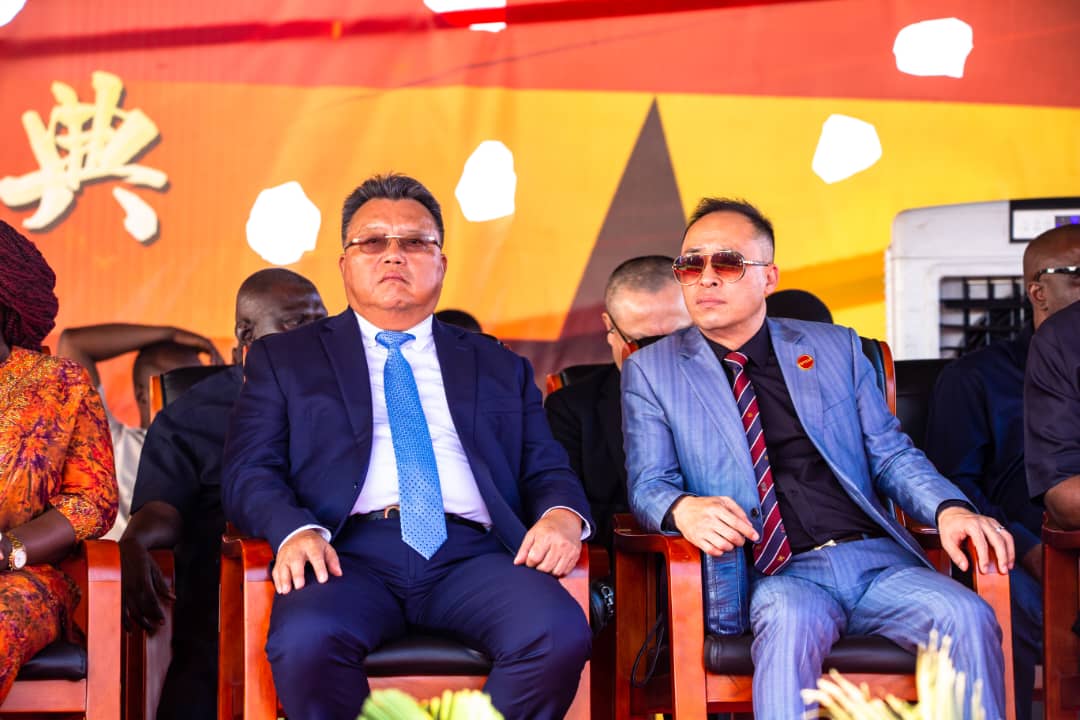
One of the key figures leading efforts to strengthen bilateral relations and ensure accountability within the Chinese community is Mr. Tang Hong, President of the Chinese Community in Ghana and Vice President of the Ghana–China Friendship Association.
Speaking in the documentary, Mr. Tang said the association plays a crucial role in organizing Chinese businesspeople and entrepreneurs to ensure compliance with Ghanaian laws and support legitimate investment.
“Our main role is to organize all Chinese, especially private sector businessmen, to comply with regulations and operate legally in Ghana. At the same time, we facilitate partnerships between Ghanaian and Chinese businesses sometimes giving references or guarantees to help them connect with the right partners,” he explained.
He added that beyond business, the community promotes cultural exchange and friendship between the two nations.
“Apart from business, we foster cultural relationships and exchanges that benefit both Ghana and China,” he said.
Under Mr. Tang’s leadership, the Chinese community has supported health facilities, schools, and disaster relief projects, while also promoting mutual understanding through cultural events and language programs.
Collaboration in Energy and Infrastructure
The documentary also highlights the contributions of Chinese companies in Ghana’s energy and infrastructure sectors, which have created thousands of jobs for locals and strengthened the nation’s energy supply.
Mr. Kwame Wang, Chairman of Sunon Asogli Power, recounted how Ghanaian and Chinese engineers worked hand in hand to bring major energy projects to life.
“During the construction period, we worked together with our Ghanaian friends hand by hand, side by side from zero. About 1,200 Ghanaians were employed in phase one and 1,500 in phase two. This is not only a Chinese effort but a joint Ghanaian–Chinese success,” he said.
Executives in the sector believe such collaborations have enhanced local expertise and boosted efficiency in Ghana’s energy market.
“We cherish the relationship between Ghanaians and the Chinese within our organization. It truly feels like a home away from home,” one Ghanaian manager added.
Since 2006, Chinese investors have helped diversify Ghana’s energy market through independent power production models that have improved competitiveness and reliability in electricity generation and distribution.
Legal Immigration and Compliance
To understand how Chinese nationals and other foreigners enter and work in Ghana, Daniel Ohim interviewed Mr. Amoako Attah, Public Relations Officer of the Ghana Immigration Service (GIS).
He explained that all foreigners whether investors, students, or family visitors must first obtain a visa from their country of origin before entering Ghana. “As long as Ghana has a mission in that country, visas are issued from the point of origin. Otherwise, a host in Ghana can apply for an emergency entry visa,” he said.
Once in Ghana, investors must register their businesses and apply for residence or work permits through the GIS headquarters.
“If you’re a businessperson or investor, you first register your business, then apply for a permit. Your documents will be assessed, and once approved, a fee is paid before a retention slip is issued,” Mr. Attah added.
He further encouraged Chinese nationals to adhere strictly to Ghana’s immigration laws to ensure smooth operations.
Historical and Diplomatic Ties
Former Lands and Natural Resources Minister Alhaji Musa Fuseni noted that the Ghana–China relationship dates back to the early years of Ghana’s independence.
“The relationship between Ghana and China has a long history. Chairman Mao was a close friend of Dr. Kwame Nkrumah. Our Seven-Year Development Plan even drew inspiration from China and Japan’s early industrialization experiences,” he said.
Similarly, Professor Anane, a former Ghanaian ambassador to China, emphasized the importance of understanding between both sides.
“The Western media often magnify differences, but both sides must make conscious efforts to understand each other and advance shared goals,” he stated.
A Balanced View
Concluding the documentary, Daniel Benin Ohim reflected on his journey through the stories he captured:
“One truth stands clear not all Chinese in Ghana are bad. Many are part of the solution Ghana needs to advance. Behind the headlines and beyond stereotypes, we’ve seen the Chinese contributing meaningfully to Ghana’s economy, building bridges through honest work and shared aspirations.”
As Ghana continues to attract foreign investment and foster international partnerships, the documentary reminds viewers that true understanding begins when we look beyond criticism to recognize shared progress.
